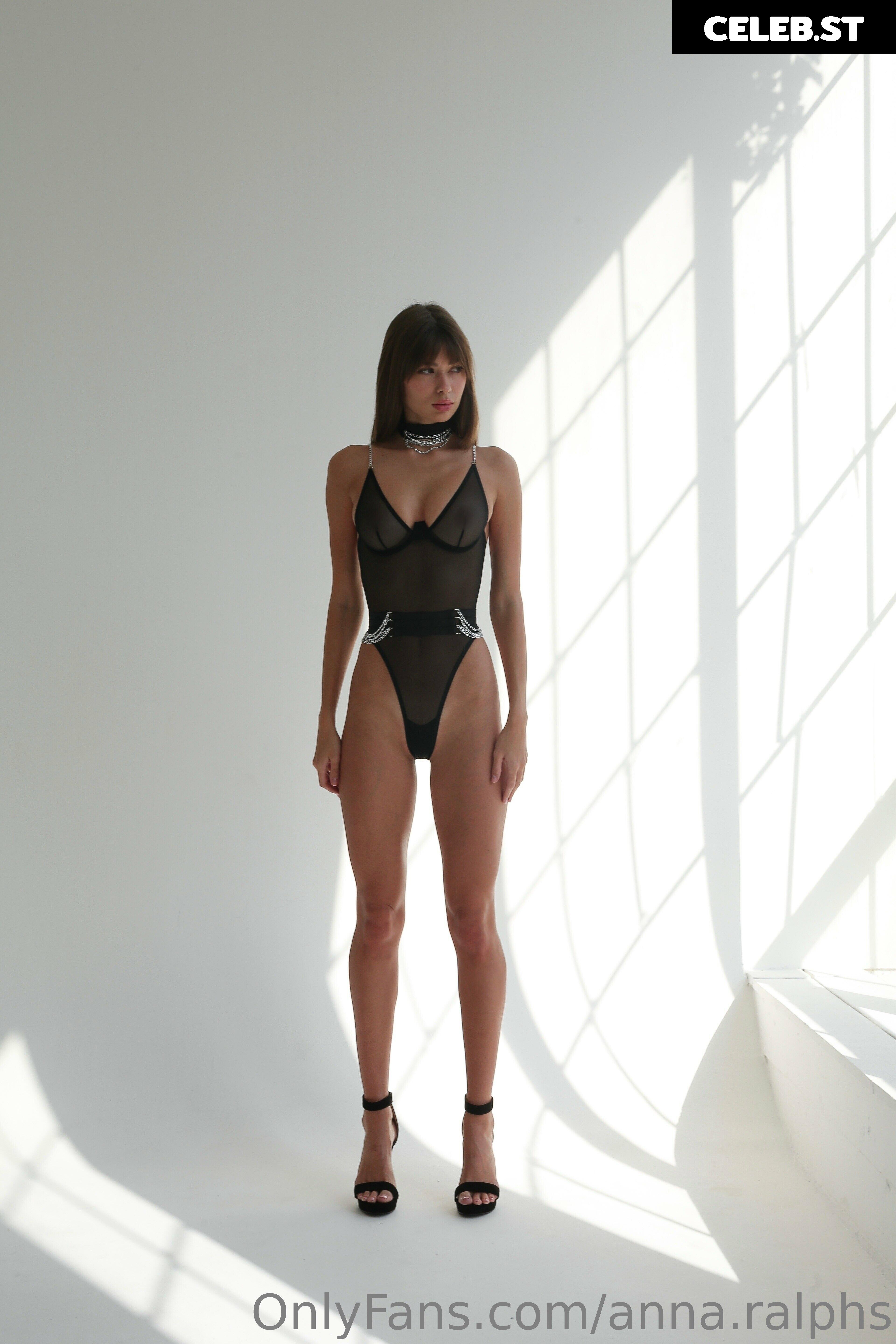
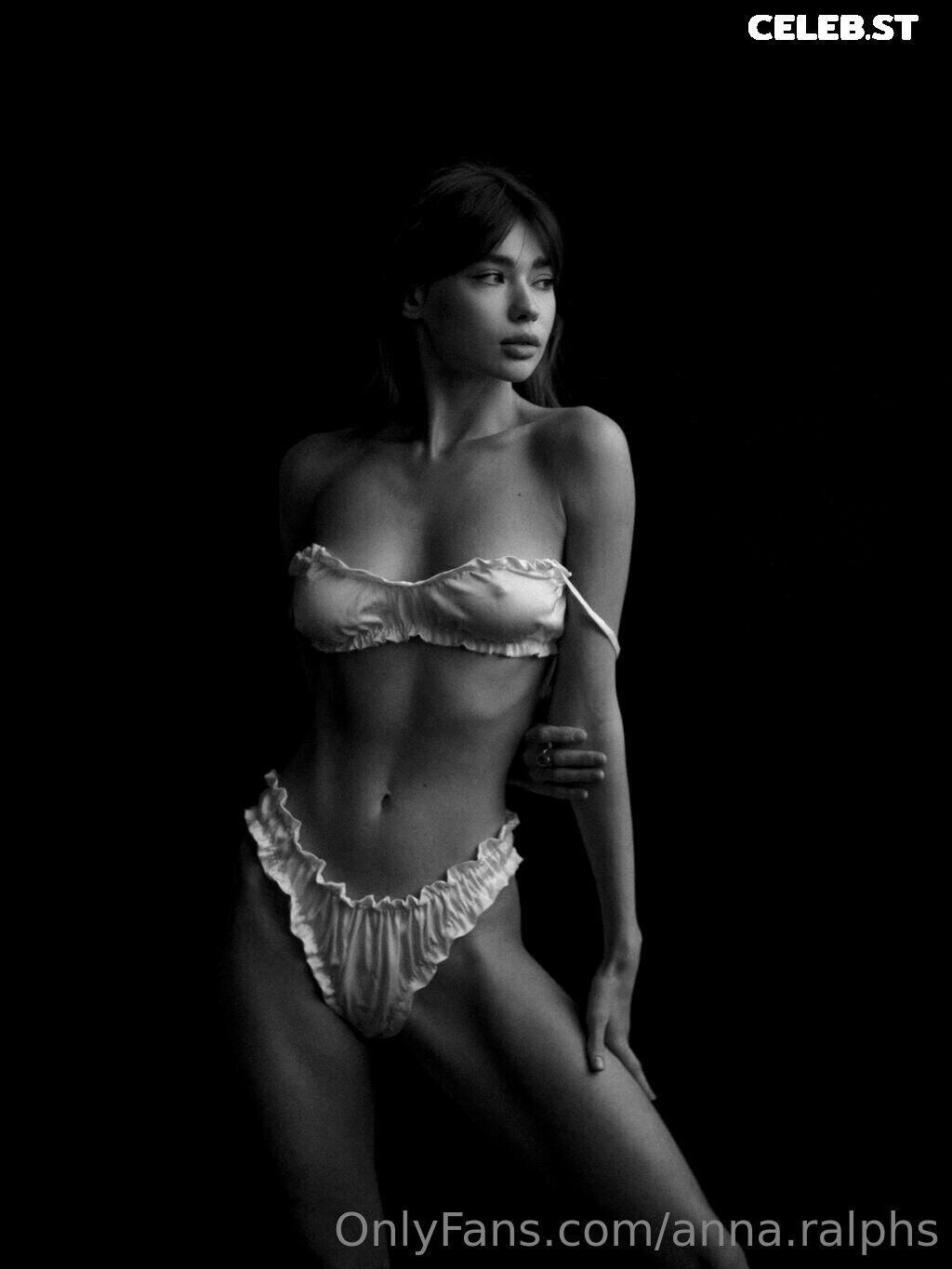
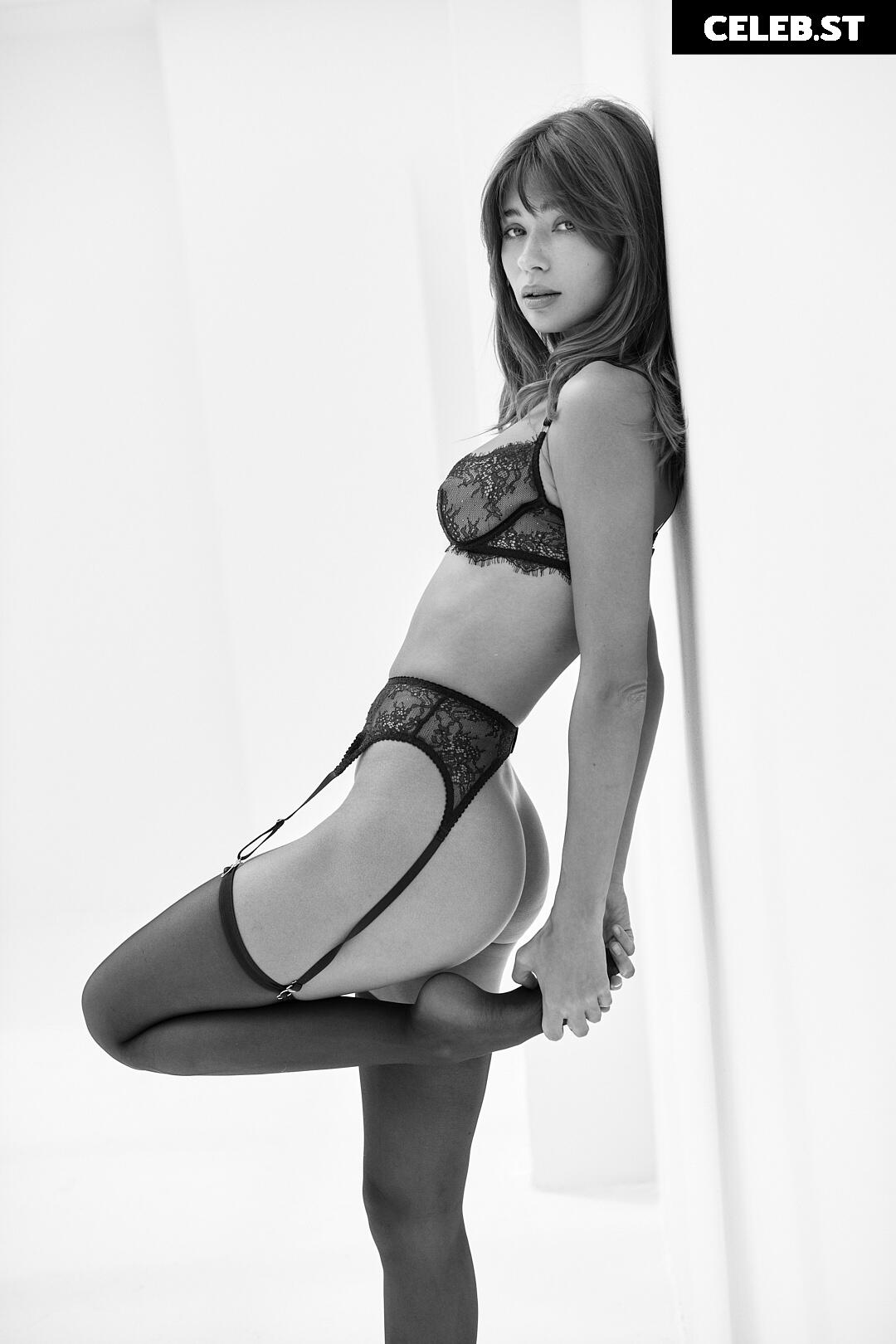
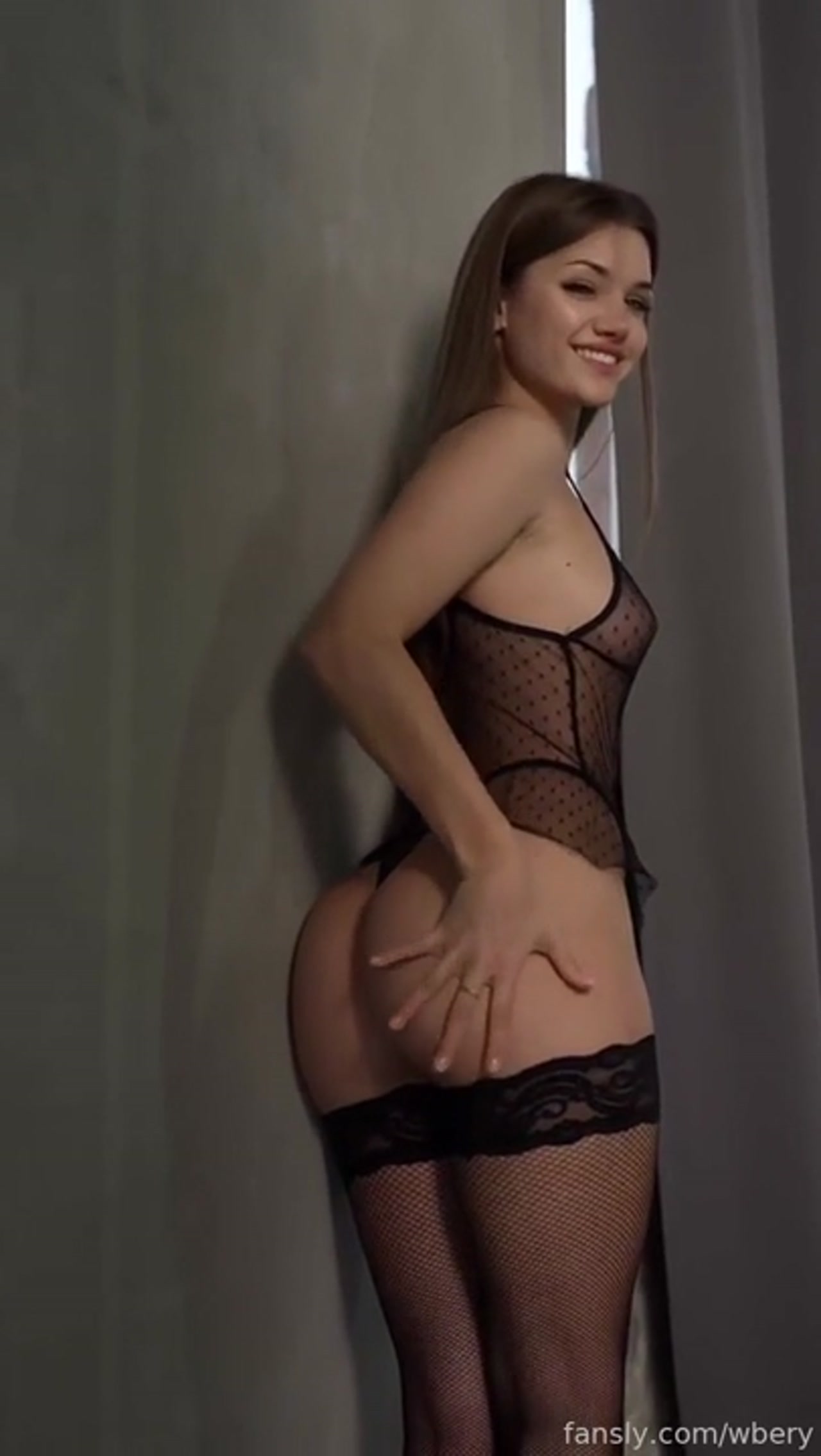
The model tag on this hub is not a motion feed; it is a stills cluster built around high-finish Instagram-style portraiture. Open the first asset, “sensual pose,” and the frame is already a photo set: a woman in black lingerie and fishnet stockings posing against a gray curtain, looking back over her shoulder with eyes closed. Its tags—photograph, model, lingerie, fishnet stockings, gray curtain, side view—sit in the photograph category, which is how this page treats the work: a composed image, not a clip that happens to pause.

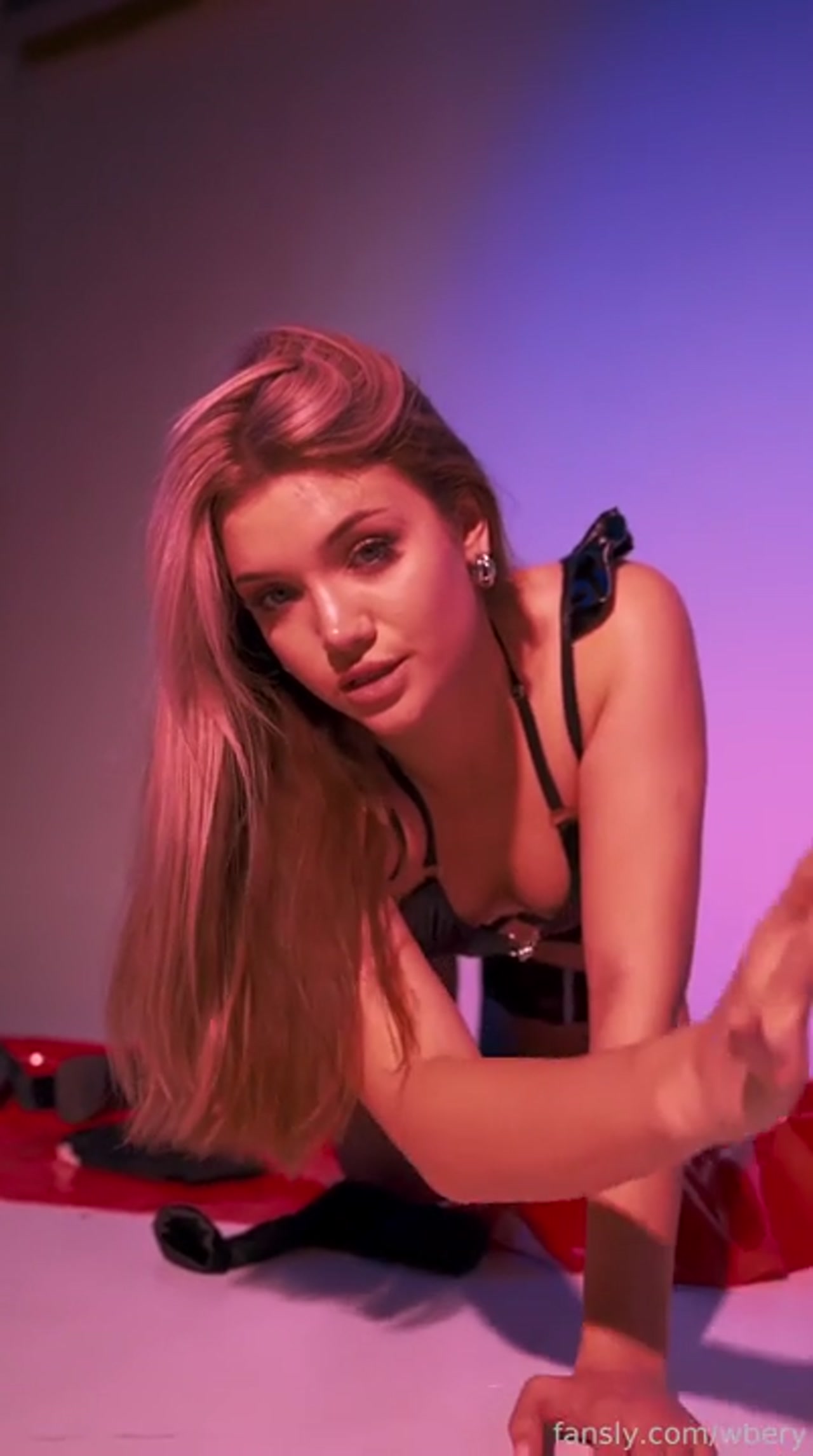
The companion piece, “Sultry Photo,” keeps the same model-and-lingerie grammar under a different lighting plot. A woman in black lingerie stands confidently against a gradient purple to blue background, illuminated by colored lighting. Tags there are photography, model, lingerie, black lingerie, purple light, blue light, filed in the photography category. Together the two titles define the kind of content the tag unifies: controlled studio or backdrop sessions, black lingerie as the wardrobe constant, and lighting that either stays neutral (gray curtain, side view) or goes theatrical (purple light, blue light).

That is why a dedicated tag page is warranted. Searchers looking for an Instagram model high quality photo set are hunting a look—posed, lit, tagged as photograph or photography—not a random model video. The model tag is the join key; photograph and photography are the shelves. Runtime on these entries is effectively still (0–1 minutes), so the hub reads as a gallery of set pieces rather than a trailer dump. Linger on the over-the-shoulder close of “sensual pose,” then the confident stance of “Sultry Photo,” and the cluster’s job is clear: collect the stills that already look like they belong in a model’s grid.